
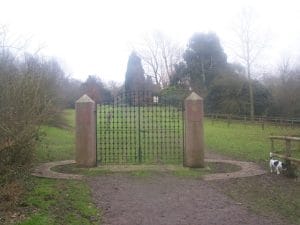
The Cobtree Manor Estate Charity Committee considered a proposal at its October 2026 meeting to fund biodiversity improvements at Cobtree Manor Park, with costs potentially recoverable by selling the enhancements to developers.
A plan to create three ponds, plant 250 metres of native hedgerow and carry out woodland and grassland management at Cobtree Manor Park in Maidstone was put before the Cobtree Manor Estate Charity Committee when it met on 21 October 2026.
Officers recommended that the committee approve an increase of £46,604 to the estate’s biodiversity budget to fund the work, with the improvements to be delivered in autumn and winter 2026. The total projected cost of the scheme over 30 years is £116,510.
What is planned
Ecologists commissioned to assess the estate identified four types of enhancement compatible with the park’s operational requirements: hedgerow planting, pond creation, woodland management and grassland management.
The hedgerow planting would involve 250 metres of native species. Three ponds totalling 1,250 square metres would be created in the southern part of the park, described in the papers as the lowest section with natural shade. Woodland management would include the removal of 819 square metres of non-native sycamore and cherry laurel, to be replaced with a native mix. Grassland management would involve rotavating soil in three northern sections to uncover the historic seedbank, with trial areas monitored before any wider rollout.
Potential to recover costs from developers
Officers told the committee that once delivered, the enhancements could be registered and sold to developers who are required under biodiversity net gain rules to offset the environmental impact of new development in the borough. If a developer purchases all the enhancements, the full £116,510 cost would be recovered as income.
The papers set out three options: do nothing, wait for a developer to purchase before implementing, or deliver the works immediately using the charity’s own funds. Officers recommended the third option, noting that the most advantageous time of year for planting and habitat creation would be lost if the committee waited for a buyer to come forward first.
The immediate financial exposure to the charity was described as £46,604, representing 40% of the total cost — covering practical works and consultant ecologist fees to prepare Habitat Management and Monitoring Plans required for any future sale. The remaining 60% of costs relate to long-term management spread over 30 years, at an estimated average annual cost of £2,330, subject to inflationary rises. Officers noted these amounts were within the charity’s budgetary capabilities.
If no developer purchase is made, the charity would bear the full £116,510 over the life of the scheme.
Use of herbicides
Officers also asked the committee to authorise limited targeted use of herbicides to eradicate persistent non-native invasive species as part of the woodland management work.
The council had not published the minutes of the meeting at the time of writing, so the committee’s decision is not yet on the public record.